Elevator Maintenance Tips for Lasting Performance
- Renato Dakovic

- 6 days ago
- 3 min read
Elevators are essential components of modern buildings, providing convenience and accessibility. However, like any mechanical system, they require regular maintenance to ensure they operate efficiently and safely. Neglecting elevator maintenance can lead to costly repairs, safety hazards, and inconvenience for users. In this blog post, we will explore practical tips for maintaining elevators to ensure their lasting performance.
Understanding the Importance of Elevator Maintenance
Elevators are complex machines that consist of various components, including motors, cables, pulleys, and control systems. Regular maintenance is crucial for several reasons:
Safety: Regular checks can prevent accidents and ensure compliance with safety regulations.
Reliability: Well-maintained elevators are less likely to break down, ensuring they are available when needed.
Cost-Effectiveness: Preventive maintenance can save money by avoiding expensive repairs and extending the lifespan of the elevator.
Establishing a Maintenance Schedule
Creating a maintenance schedule is the first step in ensuring your elevator remains in top condition. Here are some key components to include:
Daily Checks
Visual Inspections: Check for any visible signs of wear or damage, such as frayed cables or loose panels.
Operational Tests: Ensure that the elevator operates smoothly without unusual noises or jerking movements.
Monthly Maintenance
Lubrication: Apply lubricant to moving parts to reduce friction and wear.
Cleaning: Clean the elevator shaft and components to prevent dust and debris buildup.
Annual Inspections
Professional Assessment: Hire a certified elevator technician to conduct a thorough inspection and maintenance check.
Safety Tests: Perform safety tests on emergency brakes, alarms, and other critical systems.
Key Components to Monitor
Understanding the key components of your elevator can help you focus your maintenance efforts effectively.
Cables and Pulleys
Cables and pulleys are critical for the elevator's operation. Regularly inspect them for signs of wear, fraying, or corrosion. Replace any damaged cables immediately to prevent accidents.
Control Systems
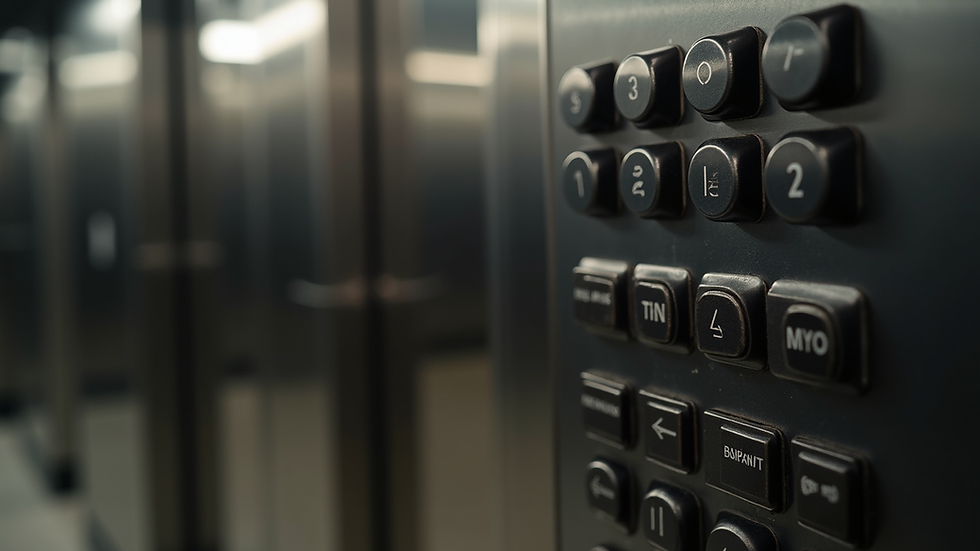
The control system manages the elevator's operation. Ensure that the control panel is functioning correctly and that all buttons respond as intended. Regularly test the emergency communication system to ensure it works in case of an emergency.
Doors and Sensors
Elevator doors must open and close smoothly. Check the door sensors to ensure they are functioning correctly and that the doors do not close too quickly, which could pose a safety risk.
Common Elevator Issues and Solutions
Even with regular maintenance, issues can arise. Here are some common problems and their solutions:
Elevator Not Responding
If the elevator does not respond when called, check the following:
Power Supply: Ensure the elevator is receiving power. Check circuit breakers and fuses.
Control Panel: Inspect the control panel for any error messages or malfunctioning buttons.
Unusual Noises
Strange noises can indicate underlying issues. Investigate the source of the noise:
Grinding or Scraping: This may indicate worn-out cables or pulleys that need replacement.
Banging Sounds: This could be a sign of misalignment in the elevator system.
Slow Operation
If the elevator is moving slower than usual, it may be due to:
Lubrication Issues: Lack of lubrication can cause friction. Ensure all moving parts are adequately lubricated.
Overloading: Check if the elevator is overloaded beyond its weight capacity.
Safety Considerations
Safety should always be a priority when maintaining elevators. Here are some essential safety tips:
Follow Regulations: Adhere to local and national safety regulations for elevator maintenance.
Use Qualified Technicians: Always hire certified professionals for inspections and repairs.
Educate Users: Inform elevator users about safety protocols, such as not overcrowding the elevator and using the emergency button only in genuine emergencies.
The Role of Technology in Elevator Maintenance
Advancements in technology have made elevator maintenance more efficient. Here are some ways technology is being utilized:
Predictive Maintenance
Predictive maintenance uses data analytics to predict when maintenance is needed. Sensors can monitor the elevator's performance in real-time, alerting technicians to potential issues before they become serious problems.
Remote Monitoring
Many modern elevators come equipped with remote monitoring systems. These systems allow technicians to monitor the elevator's performance from a distance, enabling quicker response times for maintenance needs.
Conclusion
Elevator maintenance is crucial for ensuring safety, reliability, and cost-effectiveness. By establishing a regular maintenance schedule, monitoring key components, and addressing common issues promptly, you can keep your elevator in optimal condition. Remember, investing in preventive maintenance today can save you from costly repairs and safety hazards in the future. Take action now to ensure your elevator operates smoothly for years to come.
Comments